
Essential Tips to Safeguard Your Lawn and Trees During Summer Heat and Drought


Summer can be tough on your lawn and landscape. The heat can stress trees and shrubs, causing damage.
Proper care is essential to keep your outdoor spaces thriving. With the right strategies, you can protect your plants.
Watering, mulching, and shading are key techniques. These methods help maintain moisture and reduce heat stress.
Understanding plant needs is crucial for effective lawn care. Each plant type may require different approaches.
By learning these techniques, you can ensure a healthy landscape. Your garden will remain lush and vibrant all summer.
This guide will provide practical tips for protecting your lawn and landscape trees and shrubs during hot summer months.
Understanding the Impact of Summer Heat on Lawns, Trees, and Shrubs
Extreme summer heat can severely affect your lawn and landscape. High temperatures often lead to increased evaporation. This rapid loss of water results in drought stress for plants.
Plants respond to heat stress in various ways. Lawns may turn brown or thin out. Trees and shrubs might show scorched leaves or slow growth.
Understanding the specific needs of your plants can help mitigate damage. Different species have varied tolerances to heat. For instance, broadleaf plants are more vulnerable to direct sunlight.
To reduce stress, consider creating a list of priorities. Here are a few suggestions:
Identify plants that are more susceptible to heat.
Monitor weather forecasts to anticipate heatwaves.
Adapt care routines according to the needs of each plant.
By being proactive, you can help your lawn and landscape withstand the harsh effects of summer.
Recognizing Signs of Heat Stress in Your Landscape
It's crucial to recognize early signs of heat stress in your garden. Plants often exhibit visual cues when they're distressed.
Watch for wilting leaves or a change in color. Leaves may turn yellow, brown, or even drop prematurely.
Other indicators can include reduced growth and a dry, brittle texture. These symptoms suggest your plants are struggling.
Here are some common signs of heat stress to look out for:
Leaves wilting even after watering.
Browning edges on leaves and grass blades.
Early flowering or seed production as a stress response.
Detecting these signals promptly allows you to take action. Addressing stress early helps maintain a healthy landscape through summer's heat.
Smart Watering Techniques for Hot Weather
Effective watering is vital during summer. Knowing the right techniques can make a significant difference.
Watering at the right time of day is essential. Early morning or late evening are ideal choices.
This practice helps reduce evaporation. It ensures water reaches the roots instead of evaporating quickly.
Deep watering is more effective than frequent shallow watering. It encourages deep root growth.
Here are some tips for better watering:
Water deeply once or twice a week.
Ensure the water reaches at least 6 inches into the soil.
Using the right methods can improve efficiency. Drip irrigation systems provide even water distribution.
Drip systems minimize water waste and target specific plant areas. They're especially beneficial for shrubs and trees.
Consider the unique needs of each plant type. Different species may require varying watering frequencies.
The Power of Mulch: Retaining Moisture and Regulating Temperature

Mulch is a powerful ally in your garden during the summer months. It plays a critical role in moisture retention and temperature control.
Applying mulch around trees and shrubs is effective. It reduces surface evaporation, helping soil retain water longer.
A good layer of mulch also regulates soil temperature. This protects roots from extreme temperature fluctuations.
To maximize mulch benefits:
Use organic mulch like bark or wood chips.
Aim for a 3-inch layer without smothering plant bases.
The Power of Mulch: Retaining Moisture and Regulating Temperature
Mulch acts as a protective blanket for your landscape. It ensures that the soil stays cool and retains moisture.
In hot weather, soil can lose moisture rapidly. Mulch significantly slows down this process by covering the soil.
The choice of mulch matters. Organic materials like bark or wood chips are excellent options.
Remember these mulch tips for best results:
Spread it evenly, avoiding direct contact with plant stems.
Replenish mulch as needed to maintain its protective layer.
Mulch not only conserves water but also suppresses weeds. This dual benefit makes it indispensable during summer. It allows your plants to thrive with minimal stress.
Providing Shade and Physical Protection
The sun's intense rays can harm plants. Creating shade is essential for protecting sensitive trees and shrubs.
Temporary structures like shade cloths are effective. They reduce direct sunlight and provide relief to plants.
Consider installing these physical protections:
Shade sails for larger areas
Garden umbrellas for movable shade
Lattice panels for partial sunlight
Natural barriers such as taller plants or hedges can also help. They provide natural protection from harsh sun and wind. Ensuring plants have access to shade will minimize stress and promote healthy growth.
Mowing and Lawn Maintenance Tips for Summer

Maintaining your lawn in summer requires careful attention. Mowing plays a crucial role in preserving your grass's health.
Adjust your mower height to leave the grass longer. This helps shade the soil and retain moisture. A height of 3-4 inches is often ideal.
Regular mowing is important, but don't overdo it. Let your grass grow slightly between cuts. This allows it to endure the heat better.
Best practices for mowing include:
Mowing in the morning or evening when it's cooler
Using sharp blades to ensure clean cuts
Consider leaving grass clippings on the lawn. They can act as a natural mulch, helping to retain soil moisture. This also adds nutrients back to your soil.
For a healthy summer lawn, combine these mowing tips with consistent watering practices. This will ensure resilience against harsh summer conditions.
Choosing and Caring for Drought-Resistant and Native Plants
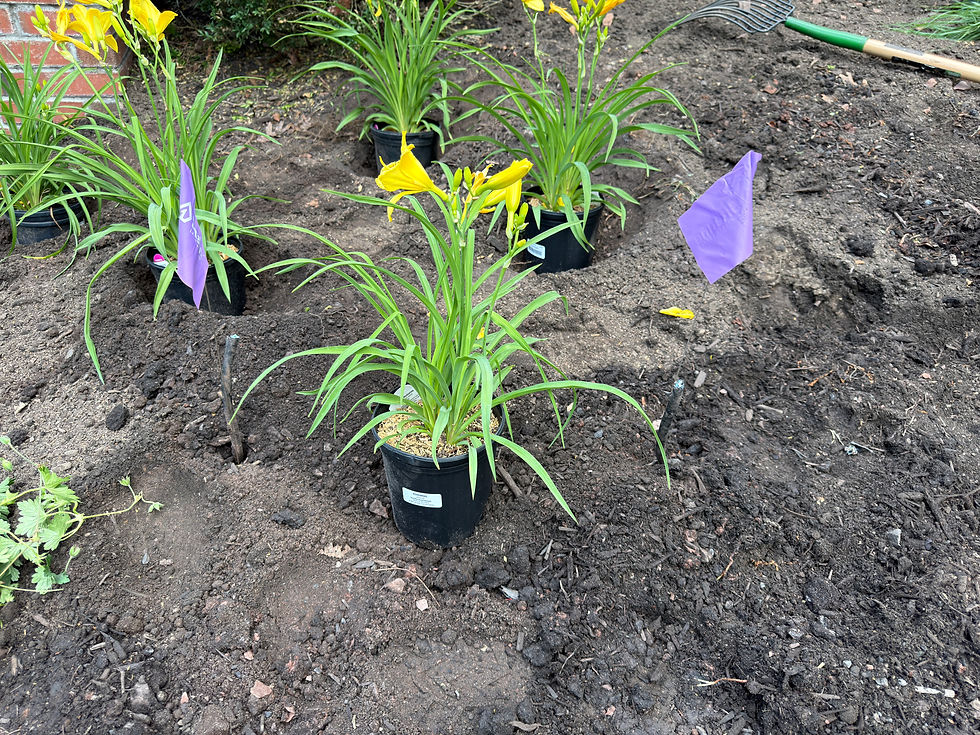
Opting for drought-resistant and native plants can greatly enhance your landscape's resilience. These plants are adapted to local climate conditions and require less water.
Native plants often have deeper root systems. This allows them to access moisture below the surface. They can survive longer dry periods, reducing the need for frequent watering.
When selecting plants, consider:
Local weather patterns
Soil type in your area
Water availability
In caring for these plants, regular mulching and minimal pruning are recommended. This approach helps maintain moisture levels and encourages natural growth. By incorporating these hardy plants into your landscape, you ensure a vibrant and sustainable garden even during scorching heat.
Soil Health, Aeration, and Fertilization Strategies

Healthy soil is the foundation of a thriving lawn. It provides essential nutrients and supports root development. During hot summer months, soil can become compacted, making it difficult for water and nutrients to reach plant roots.
Aerating the lawn helps alleviate soil compaction. This process improves air circulation and water absorption. By using a lawn aerator, you create small holes in the soil, enhancing its texture and accessibility.
Fertilization plays a crucial role in maintaining soil health, particularly in summer. Choose organic fertilizers to provide nutrients without harming plant roots. Applying a balanced fertilizer supports plant growth and resilience.
Consider these strategies to boost soil health:
Aerate the lawn in early summer
Use organic, slow-release fertilizers
Regularly test soil for nutrient deficiencies
These practices ensure that your soil remains fertile and productive, even under summer stress.
Pruning, Pest, and Disease Management During Hot Months
Effective pruning enhances air circulation around trees and shrubs. This reduces the risk of disease development during hot, humid months. Prune in the early morning or late afternoon to avoid stress on plants.
Pests tend to thrive in warm weather and can damage plants. Regular inspection of your lawn and garden is critical. Look for signs of pest infestations, such as holes in leaves or webs.
Addressing these issues promptly helps maintain a healthy landscape. Employ a combination of natural pest control methods and monitoring to prevent damage.
Consider these tips for managing pests and diseases:
Regularly inspect leaves and stems for unusual spots or pests
Prune to improve air flow and reduce humidity around plants
Use organic pest control solutions where possible
Attentive management will keep your garden lush and vibrant throughout summer.
Sustainable and Water-Saving Lawn Care Tips

Practicing sustainable lawn care benefits both your garden and the environment. Focus on efficient water use to maintain a healthy landscape. Simple adjustments can lead to significant water savings.
Drip irrigation systems are a highly effective solution. They deliver water directly to the roots, reducing waste. This method ensures your plants receive the moisture they need.
Consider implementing these water-saving strategies:
Install a rain barrel to collect and reuse rainwater
Water deeply but infrequently to encourage deep root growth
Choose drought-resistant plants for your landscape
By adopting these sustainable practices, you will not only save water but also support a resilient, thriving garden.
Planning Ahead: Preparing for Heatwaves and Climate Change
Preparing your garden for heatwaves is crucial as weather patterns change. Start by assessing your landscape's vulnerabilities.
Establish a proactive plan to mitigate climate impacts. This should include:
Selecting heat-tolerant plant varieties
Creating shaded areas with temporary structures
Staying informed about weather forecasts
Adjust your care routines as needed. By planning ahead, you help ensure your garden's survival during extreme summer conditions.
Leveraging Technology and Community Resources for Lawn Care
Technology can simplify lawn care. Use smart irrigation systems to optimize water use and reduce wastage. These systems adjust watering based on weather and soil moisture.
Community resources are valuable for learning and support. Connect with local gardening clubs and online forums to share tips and experiences. Resources to consider:
Smart irrigation systems
Local gardening clubs
Online gardening forums
Embracing technology and community interactions can enhance your lawn care efforts.
Conclusion: Building a Resilient, Beautiful Summer Landscape
By implementing these summer lawn care tips, you ensure a healthy landscape. Your trees and shrubs will withstand the heat with proper care.
Embrace sustainable practices to maintain your garden's beauty and resilience. A thoughtful approach yields lasting results, offering a lush, vibrant outdoor space for you to enjoy all season long.


The tip about leaving grass clippings on the lawn really stuck with me. Such a small habit, but it feeds the soil instead of wasting it. I have learned that a lot of good maintenance works that way. It is the same with how a brand presents itself. I once browsed a logo design agency portfolio and noticed the strongest marks were built on simple, repeatable ideas, not loud gimmicks. Consistency in small things keeps everything healthy longer.
The tip about watering deeply once or twice a week instead of a little every day is the one most people get backwards, since shallow watering trains roots to stay near the surface. I learned that the hard way when half my plants wilted after a short dry spell. Around that same summer I heard a classmate ask about pay someone to take my OnVUE exam, which made me think about how quick fixes rarely hold up under pressure. Deep roots and steady habits are what carry a garden through a heatwave.
Appreciating this helpful guide on protecting lawns, trees, and shrubs during hot summer months. The practical tips are useful for anyone trying to keep outdoor spaces healthy during extreme heat. It’s also interesting how valuable information can reach wider audiences through language. In that sense, novel translation services can help share useful knowledge with readers from different linguistic backgrounds.
Appreciating this helpful guide on protecting lawns, trees, and shrubs during hot summer months. The practical advice about watering, mulching, monitoring plants, and reducing heat stress is especially useful for keeping landscapes healthy. Articles like this show the value of sharing helpful information online, much like website development for authors helps writers present useful content and connect with readers.
The advice about protecting lawns and trees during summer heat reminded me how quickly things can suffer when temperatures rise. I’m a PhD student and work part-time at Affordable Assignments, so I understand the importance of planning ahead. During my college days, I struggled academically, which inspired me to help others. I try to approach challenges patiently, whether caring for plants or managing research. Academic periods can be stressful, and students consider Online PRINCE2 exam support when responsibilities pile up. A very valuable read. I appreciate the openness and real perspective you brought to the topic.🤩