
The Benefits of Organic Lawn and Plant Care for a Healthier Home and Environment in Warren Basking Ridge and Bernardsville


Maintaining a beautiful lawn and thriving plants is a priority for many homeowners in Warren, Basking Ridge, and Bernardsville. Yet, the way we care for our outdoor spaces can have a lasting impact on the environment, soil health, and local wildlife. Organic lawn and plant care offers a sustainable alternative that supports the health of your home and the surrounding ecosystem. This approach avoids harsh chemicals, improves soil quality, and encourages biodiversity, all while enhancing the beauty and value of your property.
In this post, we explore how organic methods benefit homeowners in these communities, the environmental advantages, and why Plant Solutions stands out as a trusted expert committed to sustainable practices.
How Organic Lawn and Plant Care Supports Environmental Health
Traditional lawn care often relies on synthetic fertilizers, pesticides, and herbicides. These chemicals can harm beneficial insects, pollute local waterways, and degrade soil health over time. Organic lawn and plant care avoids these risks by using natural products and techniques that work with nature.
Protects local waterways
Organic methods reduce runoff of harmful chemicals into streams and rivers. This helps keep water clean for wildlife and residents alike.
Supports pollinators and beneficial insects
By avoiding pesticides, organic care encourages bees, butterflies, and other pollinators essential for plant reproduction and ecosystem balance.
Reduces air pollution
Organic fertilizers release fewer greenhouse gases compared to synthetic ones, contributing to cleaner air in your neighborhood.
For homeowners in Warren, Basking Ridge, and Bernardsville, where natural beauty and outdoor recreation are highly valued, these environmental benefits help preserve the character and health of the region.
Enhancing Soil Quality with Organic Practices
Healthy soil is the foundation of a vibrant lawn and garden. Organic lawn care focuses on building soil fertility naturally, which leads to stronger plants and less need for chemical inputs.
Improves soil structure and water retention
Organic matter like compost and mulch increases the soil’s ability to hold water and nutrients, reducing irrigation needs.
Encourages beneficial microorganisms
Organic soils teem with bacteria, fungi, and earthworms that break down organic material and make nutrients available to plants.
Prevents soil erosion
Healthy soil with good organic content resists erosion better, protecting your landscape and nearby waterways.
Homeowners in these New Jersey communities often face seasonal weather changes and soil conditions that benefit greatly from organic soil-building techniques. Over time, this leads to a lawn and garden that are more resilient and easier to maintain.
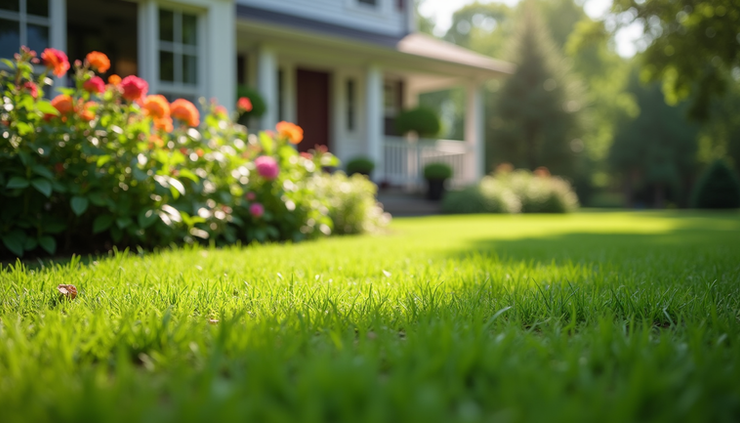
Organic lawn and plant care promoting healthy soil and vibrant plants in Bernardsville
Supporting Local Ecosystems in Warren, Basking Ridge, and Bernardsville
Organic lawn and plant care goes beyond aesthetics. It plays a vital role in supporting the local ecosystem by creating habitats and food sources for native wildlife.
Encourages native plants
Organic care often includes planting native species that are well adapted to local conditions and provide food and shelter for wildlife.
Creates habitats for birds and beneficial insects
Organic gardens attract birds, ladybugs, and other helpful creatures that control pests naturally.
Reduces chemical exposure to pets and children
Organic methods keep harmful substances out of your yard, making it safer for family and pets to enjoy outdoor spaces.
In communities like Warren, Basking Ridge, and Bernardsville, where residents appreciate nature and outdoor living, organic care helps maintain the balance between human activity and wildlife needs.
Long-Term Cost Savings and Improved Aesthetics for Homeowners
Switching to organic lawn and plant care may seem like a bigger upfront investment, but it offers significant savings and benefits over time.
Lower maintenance costs
Healthier soil and plants require less water, fertilizer, and pest control, reducing ongoing expenses.
Fewer chemical treatments
Organic care minimizes the need for costly synthetic products and repeated applications.
Stronger, more attractive lawns and gardens
Organic methods promote deep root growth and vibrant plant health, resulting in a lush, green lawn and colorful, thriving plants.
Increased property value
Well-maintained, environmentally friendly landscapes appeal to buyers and can boost home value.
Homeowners in Warren, Basking Ridge, and Bernardsville who adopt organic care often notice their outdoor spaces look better year after year, with less effort and expense.
Plant Solutions’ Expertise and Commitment to Sustainable Practices
Plant Solutions has built a reputation in Warren, Basking Ridge, and Bernardsville for delivering expert organic lawn and plant care tailored to local conditions. Their team understands the unique soil, climate, and ecosystem challenges of these communities.
Customized organic programs
Plant Solutions designs care plans that focus on soil health, native plants, and natural pest management.
Experienced professionals
Their staff stays current with the latest organic techniques and products to ensure effective, safe results.
Sustainability focus
The company prioritizes environmentally responsible practices that protect local waterways and wildlife.
Community engagement
Plant Solutions educates homeowners about the benefits of organic care and supports local environmental initiatives.
Choosing Plant Solutions means partnering with a company that values your home’s health and the environment equally.
Taking the Next Step Toward Organic Lawn and Plant Care
Homeowners in Warren, Basking Ridge, and Bernardsville can enjoy a healthier, more beautiful outdoor space by embracing organic lawn and plant care. This approach protects the environment, improves soil quality, supports local ecosystems, and saves money in the long run.


Comments